
Access Control: How to Choose the Right System for Your Organization

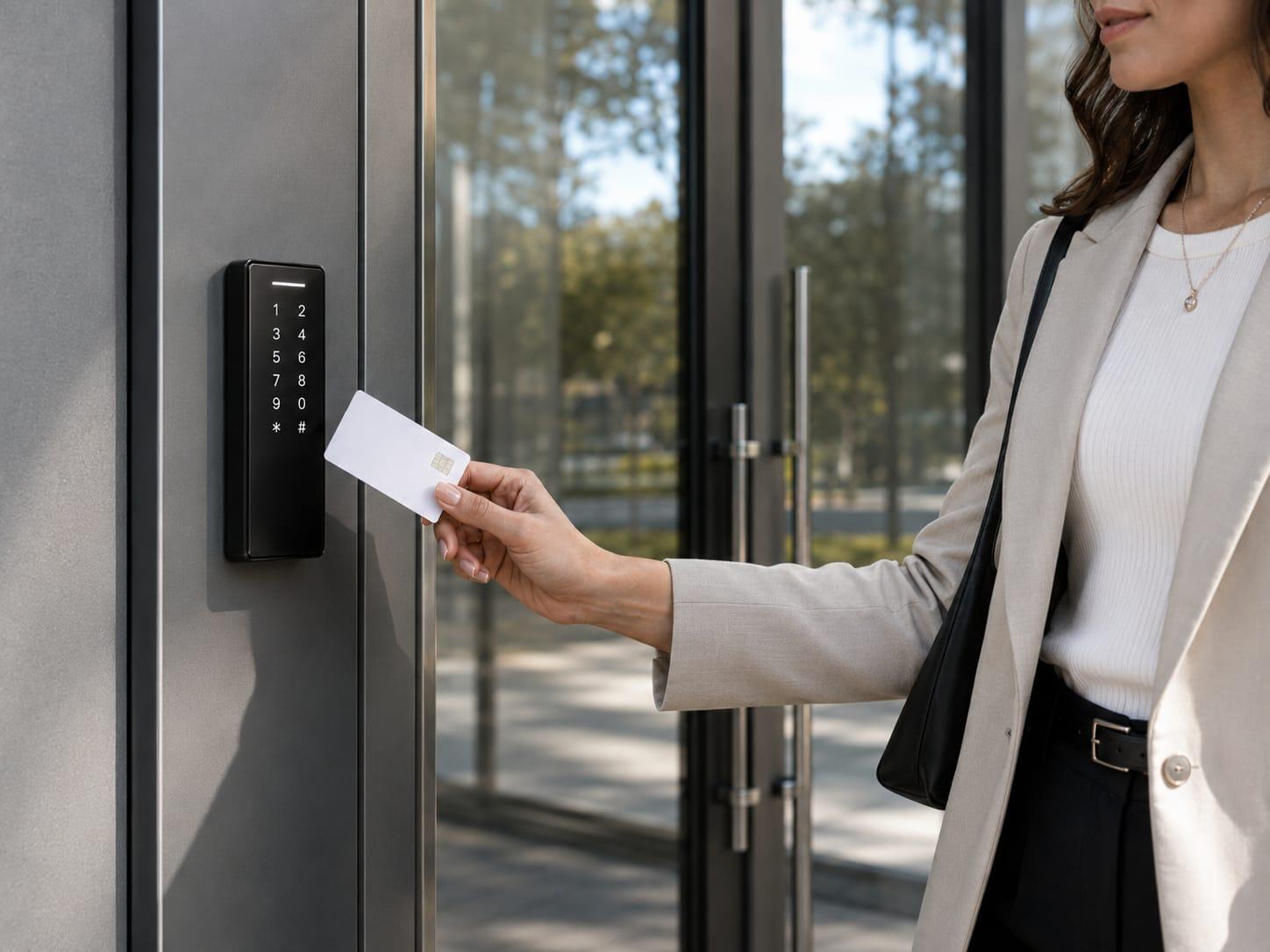
When people talk about access control, most picture a door that opens with a card or a phone. In practice, an access control system is much more than that. It’s responsible for managing access to the building, securing the organization, and knowing who entered, where, and when.
Today you’ll find access control systems in almost every kind of organization — from small offices to factories, logistics centers, schools, public institutions, and large enterprises. The larger the organization grows, the more important it becomes to have a system that lets you manage the entire access setup simply, cleanly, and securely.
What is an access control system?
An access control system lets you decide who is allowed to enter a building, which areas they can reach, and at what times. Beyond opening doors, it helps manage permissions, log entry events, and keep order and control across the organization.
A modern system lets you manage users, doors, and different sites from a single interface, so every change happens quickly and simply.
How do you identify to an access control system?
Today there are several ways to identify to an access control system, and the choice between them depends on the organization’s needs and the level of security required.
Common identification methods include employee cards, mobile phones, personal codes, and more. In recent years, more and more organizations combine several identification methods at once, to gain both ease of use and a higher level of security.
Beyond opening doors
A modern access control system is no longer responsible only for opening doors. In many organizations it integrates with other systems such as security cameras, alarm systems, and visitor management systems, so you can manage the entire access setup from one place and get a broader picture of what’s happening across the organization.
The ability to connect different systems makes it possible to streamline processes, reduce the need to switch between multiple interfaces, and make managing the organization simpler, more efficient, and more organized.
A cloud system or an on-premise system?
One of the important decisions when choosing an access control system is whether to go with an on-premise system or a cloud-based one.
An on-premise system is usually installed on a server located within the organization, where responsibility for maintenance, backups, software updates, and infrastructure management rests with the organization itself.
A cloud system, on the other hand, lets you manage the entire access setup from anywhere through a secure internet connection. It also lets you receive software updates on an ongoing basis, benefit from new capabilities added over time, manage multiple sites, users, and permissions from a single system, and respond quickly to changes in the organization.
The ability to manage all sites, users, and permissions from one central system significantly eases the work for organizations with several branches or buildings, and allows better control over the entire access setup. This is one of the reasons more and more organizations are choosing cloud-based access control systems today.
How do you choose an access control system?
Choosing an access control system isn’t just about its technical spec. It’s important to check how simple the system is to manage, whether it can be expanded in the future, whether it integrates with other systems, and whether it can keep serving the organization even as its needs change.
It’s also worth examining the level of support, how often the software is updated, the level of security, and the ability to add new users, doors, or sites without replacing the existing infrastructure.
Ultimately, an access control system is far more than a system that manages entry to a building. It helps manage employees, visitors, and access permissions, integrates with other systems, and becomes a central part of the organizational infrastructure. That’s why choosing the right system affects not only the way doors open, but also the organization’s ability to operate efficiently, securely, and flexibly for years to come.
